Dental Crowns Southgate CA: Essential Aftercare Tips
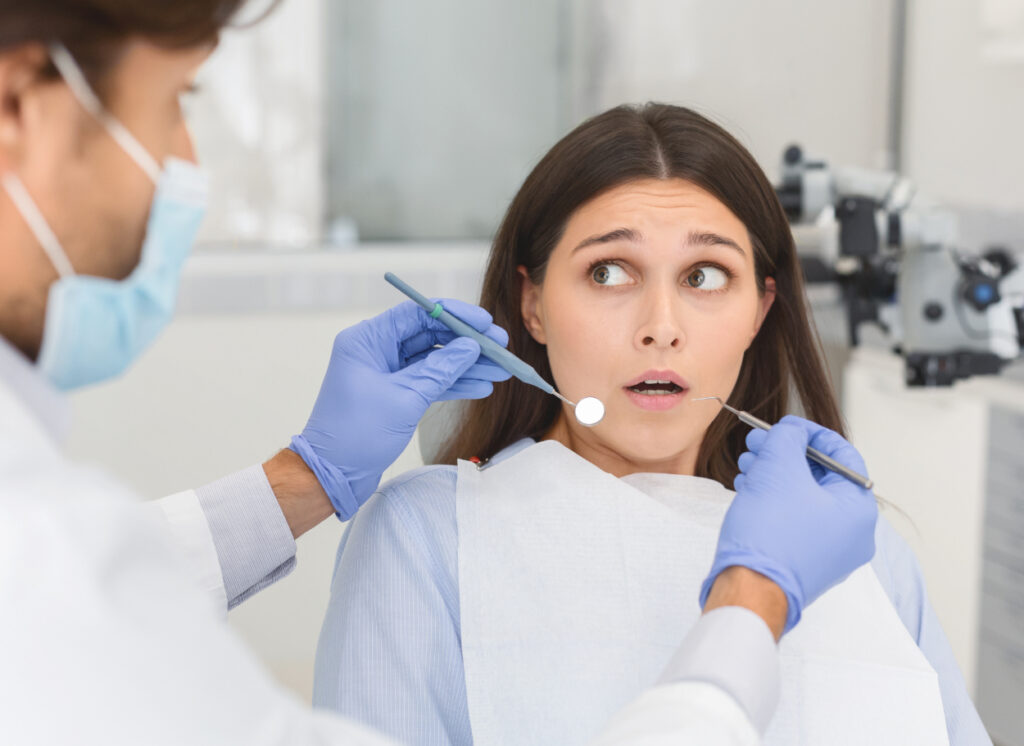
Getting a dental crown is usually a relief. The damaged tooth is protected, the bite feels stronger, and that sharp edge or lingering crack is finally covered. What many patients do not realize until afterward is that the quality of the result depends on more than the crown itself. Aftercare matters, often more than people expect.
In practices serving busy communities like South Gate, a common pattern shows up. Patients do well when they treat the first days after placement with the same seriousness they gave the procedure. They run into trouble when they assume a crown is indestructible, chew hard foods too soon, ignore a bite that feels slightly off, or go back to old habits like ice chewing and nail biting. A crown is strong, but it is not invincible, and the tooth underneath still needs thoughtful care.
If you are researching Dental Crowns Southgate CA, aftercare is one of the smartest topics to focus on. It helps protect your investment, reduces the chance of unnecessary follow-up visits, and can make the difference between a crown that lasts many years and one that fails early.
The first 24 to 48 hours matter more than most people think
The immediate period after a crown appointment is when small decisions have the biggest impact. If you received a temporary crown, you are dealing with a restoration meant to hold space and protect the tooth, not to function like a permanent one. Temporary cement is intentionally weaker, which means sticky candy, chewing gum, and very hard foods can pull the crown loose. Even a thick sandwich bitten with the front teeth can sometimes do it.
With a permanent crown, the concerns shift slightly. The cement needs time to reach full strength, and the surrounding gum tissue may be irritated from the procedure. It is common to feel mild soreness around the tooth or pressure when biting. Some people also notice sensitivity to cold air or cold drinks, especially if the tooth had significant decay or a recent root canal was not part of treatment. Mild symptoms like these can be normal for a short period.
A practical approach works best. Choose softer foods, chew on the other side if possible, and let hot coffee cool a little before drinking it. If the area feels tender, that does not necessarily mean something is wrong. The tissue may simply be reacting to the work that was done.
What is normal, and what is not
One of the most useful things patients can know is how to separate ordinary healing from a problem that needs attention. Crowns often create a few days of adjustment. Your mouth is remarkably sensitive to even tiny changes in shape and height. A crown may feel bulky at first even when it is perfectly contoured. The tongue notices everything.
Normal experiences after crown placement can include brief temperature sensitivity, mild gum soreness, slight awareness of the new crown when chewing, and minor pressure in the tooth. These symptoms should gradually improve, not intensify.
Call your dentist if the bite feels high, if you cannot chew comfortably after a few days, if throbbing pain develops, or if floss shreds badly around the crown. Those signs can suggest a bite issue, rough margin, trapped cement, or a fit problem. None of those should be ignored just because the crown is new.
I have seen patients try to “get used to” a high bite for weeks. That rarely ends well. A crown that hits too early can inflame the ligament around the tooth, trigger jaw soreness, and even crack porcelain over time. Bite adjustments are often quick. Waiting usually makes things harder, not easier.
Eating with a new crown without testing its limits
Most crown failures are not dramatic. They happen through repeated stress, not a single catastrophic event. People think of hard candy or popcorn kernels, but daily habits are often the real culprits. Crunching ice, tearing open packages with the teeth, biting pen caps, and clenching during stressful workdays all place loads on a crown that it was never meant to handle.
Food choices in the first week should be simple and deliberate. Scrambled eggs, yogurt, pasta, rice, fish, soup that is warm rather than piping hot, cooked vegetables, oatmeal, bananas, and softer chicken dishes are usually safe bets. Once the tooth feels settled, most patients can return to a normal diet, but “normal” should still exclude the kind of chewing that breaks natural teeth too.
There is also a difference between front and back crowns that patients should keep in mind. A front crown is vulnerable to habits like biting directly into apples, crusty bread, or bone-in meats. A molar crown is built for force, but repetitive grinding force is another matter. The location changes the risks.
Temporary crowns deserve more respect than they get
Temporary crowns are often underestimated because they do not look or feel as refined as the final version. They can be slightly rougher, slightly less polished, and a little more noticeable. That does not mean they can be ignored.
If a temporary crown comes off, the underlying tooth can shift, become sensitive, or leave the final crown fitting less precisely. Even small movement matters in dentistry. Teeth are not fixed like bricks in concrete. They respond to pressure, contact, and time.
Patients with temporary crowns usually do best when they remember four basic rules:
- Chew on the opposite side whenever you reasonably can.
- Avoid sticky foods like caramel, taffy, and chewing gum.
- Slide floss out to the side rather than snapping it straight up.
- Call promptly if the temporary feels loose or comes off.
That last point is especially important. Some people wait until the final crown appointment and mention casually that the temporary was off for three days. At that point, the tissue may be irritated, the tooth may be sensitive, and the fit may need to be reassessed. A quick phone call earlier often prevents a much bigger inconvenience later.
Cleaning around a crown without damaging the area
Crowns do not get cavities, but the tooth structure at the margin can. That distinction is easy to miss. Many patients assume a crowned tooth is fully protected forever. In reality, plaque tends to collect where the crown meets the natural tooth, especially near the gumline. If that area is neglected, decay can start underneath the edge of an otherwise beautiful restoration.
Brushing should stay gentle but thorough. A soft-bristled toothbrush is usually ideal, especially if the gum is tender. Hard scrubbing does not clean better. It just irritates tissue and can contribute to gum recession over time. Electric toothbrushes help many patients because they reduce the tendency to scrub aggressively by hand.
Flossing around a new crown is often where patients hesitate. Some fear pulling it off. With a well-cemented permanent crown, normal flossing should not dislodge it. The key is technique. Ease the floss through the contact, hug the side of the tooth, clean below the gumline gently, then remove the floss without snapping it upward violently. If the floss catches repeatedly or shreds, mention it. That is useful diagnostic information.
Water flossers can be helpful, particularly for patients with bridgework, tight contacts, dexterity issues, or orthodontic history. They are a supplement, though, not a replacement for meticulous brushing and regular professional cleanings.
Bite problems are subtle, but they should not be ignored
A crown can look excellent and still need a small bite adjustment. The human bite is dynamic. It changes slightly with posture, jaw tension, swelling, and muscle activity. A crown that feels “mostly fine” can still be high enough to cause trouble.
The signs are not always dramatic. Some people describe it as the tooth finding the floor before the others do. Others notice they are avoiding that side without meaning to. Some wake up with temple tension or soreness near the jaw joint a few days after placement. A few report that the crown feels sore only when chewing one specific texture, often bread or meat.
These complaints are worth taking seriously. A high bite can overload the periodontal ligament, causing the tooth to feel bruised or mobile even when the crown itself is intact. If the patient also clenches or grinds, the irritation can escalate quickly.
In offices that do a lot of restorative work, follow-up adjustments are common and routine. They are not signs of failed treatment. They are part of fine-tuning a restoration inside a living, moving system.
Night grinding can shorten the life of a crown
One of the biggest threats to crown longevity is bruxism, the habitual clenching or grinding of teeth. Patients often assume they would know if they grind, but many do it in their sleep and only discover it after a spouse hears it or a dentist notices wear facets and tiny porcelain fractures.
Crowns tolerate ordinary chewing well. They are less forgiving when exposed to hours of parafunctional force at night. Even the strongest materials can chip, craze, or loosen under enough stress. The natural teeth around the crown may also begin to wear unevenly, creating new bite imbalances.
If your dentist recommends a night guard after crown placement, that recommendation is usually based on something visible, not guesswork. It may be signs of muscle tension, enamel wear, or fractures on older restorations. A custom night guard can protect not only the new crown but the rest of your dentition.
This is one of those areas where patient judgment sometimes works against them. People spend significant money on restorative treatment, then hesitate over the guard that helps preserve it. From a long-term standpoint, that is often backwards.
Sensitivity after a crown, when to watch and when to act
Sensitivity does not always mean a crown is failing. Teeth respond to drilling, decay removal, and cementation in different ways. A tooth with a very deep filling before the crown may remain reactive for a while. A tooth that was cracked may take time to settle even after the crack is stabilized.
Cold sensitivity that improves over days or a couple of weeks can be part of the normal adjustment process. Sharp pain when biting down, pain that lingers, heat sensitivity, spontaneous throbbing, or pain that wakes you from sleep deserves quicker attention. Those symptoms suggest something more than routine healing and may point to pulpal inflammation, an unresolved crack, or bite trauma.
Patients are often reassured by knowing that a crown is a restoration, not a guarantee that a tooth will never need additional treatment. Sometimes a heavily damaged tooth seems stable at the time of crown placement but later declares itself with nerve symptoms. That does not necessarily mean the crown was a mistake. It reflects the fact that dentistry often works with compromised teeth, not pristine ones.
Protecting the gums around your crown
The best-looking crown in the world will disappoint if the surrounding gum becomes chronically inflamed. Healthy gum tissue frames the restoration, seals around it, and helps keep the margin clean. Unhealthy gum tissue traps plaque, bleeds easily, and can make even well-done dentistry harder to maintain.
This is especially relevant if you already have a history of gingivitis or periodontal issues. Crowns require precision at the gumline, and home care becomes more important, not less. If your gums puff up around a new crown and stay that way, there may be plaque retention, excess cement, or simply a need to improve hygiene technique around that tooth.
Regular cleanings matter here. Hygienists often spot early concerns that patients miss, such as bleeding around one isolated crown, changes in floss passage, or recession exposing part of the root. Catching these issues early is almost always simpler and less expensive than waiting.
Habits that quietly sabotage crowns
Not every crown problem starts in the dental chair. Many begin at home with routine behaviors that seem harmless in the moment. Using your teeth as tools is high on the list. So is chewing one-sided because the opposite side “feels stronger,” which can overload a fresh restoration. Dry mouth is another overlooked factor. Saliva protects teeth, gums, and the margins around crowns. If you take medications that reduce saliva or breathe through your mouth at night, your risk profile changes.
A few patterns are worth watching closely:
- Ice chewing, which combines hardness and repeated force.
- Frequent sticky sweets, which raise the risk of decay at the crown margin.
- Jaw clenching during stress, especially while driving or working at a screen.
- Skipping recall visits because the crown “feels fine.”
- Ignoring small changes, such as food catching or floss fraying.
What makes these habits tricky is that the damage builds gradually. A crown rarely sends a warning siren. More often, the early signs are subtle, a sore spot, a chipped glaze, a gumline that bleeds a little more than it used to, or a contact that starts trapping food.
How long crowns last, realistically
Patients often ask for a precise number. Realistically, crown lifespan varies with material, tooth location, bite forces, oral hygiene, and the condition of the underlying tooth. Some crowns last well over a decade. Some last much longer. Others need replacement sooner because of decay, fracture, gum changes, or changes in the bite.
The better way to think about longevity is not as a countdown but as a maintenance question. Well-made crowns on well-cared-for teeth tend to serve patients for many years. Crowns placed on severely broken teeth, in heavy grinders, or in mouths with active gum disease face steeper odds.
This is why conversations about Dental Dental Crowns Southgate CA Crowns Southgate CA should include aftercare, not just materials or cosmetic appearance. The strongest ceramic or metal-backed option still depends on the patient’s daily habits, cleaning technique, and willingness to return when something feels off.
When a crown needs prompt professional attention
A crown problem is easier to manage when addressed early. If a crown feels loose, do not test it by wiggling it repeatedly with your tongue. If a piece chips off, save it if you can, but do not assume it is purely cosmetic. If swelling develops around the tooth, that is not something to monitor casually for a week.
Prompt evaluation is especially important if you notice pain on release when biting, a bad taste around the crowned tooth, pressure that keeps increasing, or a crown that suddenly feels taller than it did before. Sometimes the issue is simple, like a contact point or Dental Crowns Southgate CA a minor occlusal adjustment. Sometimes it signals cement failure, recurrent decay, or a crack in the underlying tooth. You cannot tell that reliably by appearance alone in the bathroom mirror.
The local factor, why follow-up care matters in a busy community
In a place like South Gate, many patients balance treatment around work shifts, family responsibilities, school schedules, and long commutes. That reality affects dental outcomes more than clinicians sometimes admit. Missed adjustments, delayed calls about sensitivity, and putting off cleanings for six months too long often have less to do with neglect and more to do with logistics.
The best aftercare plans respect real life. That means understanding which symptoms truly need urgent attention, knowing how to eat for the first few days without overthinking every bite, and keeping recall visits on the calendar before life gets crowded again. Dental work lasts better when aftercare is practical enough to follow.
A crown should restore confidence, not create ongoing uncertainty. Most patients do very well when they understand the basics: protect the new restoration early, keep it clean at the margin, respect changes in the bite, and report anything that seems progressively worse instead of gradually better.
That approach is simple, but it is not trivial. Teeth respond to details, and crowns reward consistency. If you have recently received one or are planning treatment, those details will do more to protect your result than any marketing claim ever could.
Simple Dental South Gate
Address: 8617 California Ave, South Gate, CA 90280
Phone number: +13236896118
FAQ About Dental Crowns Southgate CA
How much do crowns cost per tooth?
In the United States, a single dental crown typically costs between $800 and $2,500 per tooth without insurance. The ultimate out-of-pocket price depends heavily on the crown material, the location of the tooth, and whether you have dental insurance coverage.
What is the downside of crowns on teeth?
The primary downside of a dental crown is that the procedure permanently removes natural tooth enamel to shape the tooth for the cap.
Why do dentists push for crowns?
Dentists recommend crowns because a large filling cannot provide enough strength when a tooth loses a major portion of its structure or faces heavy chewing pressure.