Dental Crowns Southgate CA: Myths and Facts You Should Know

Dental crowns are one of those treatments people have heard about for years, yet many still walk into a consultation with a mix of concern, half-remembered advice, and outdated assumptions. I see that often with patients searching for Dental Crowns Southgate CA services. Some believe crowns are only for older adults. Others assume the procedure is painful, that crowns always look fake, or that getting one means the tooth is basically gone.
None of that tells the full story.
A crown is a practical, durable restoration, but it is not a magic fix. It has strengths, limits, and a very specific role in dentistry. When a crown is the right treatment, it can preserve function, improve appearance, and help a damaged tooth last for many years. When it is recommended casually, without explaining the alternatives, people can feel pushed into something they do not fully understand.
That gap between myth and reality matters. A crown changes the shape and covering of a tooth permanently. Patients deserve straight answers before saying yes.
What a dental crown actually does
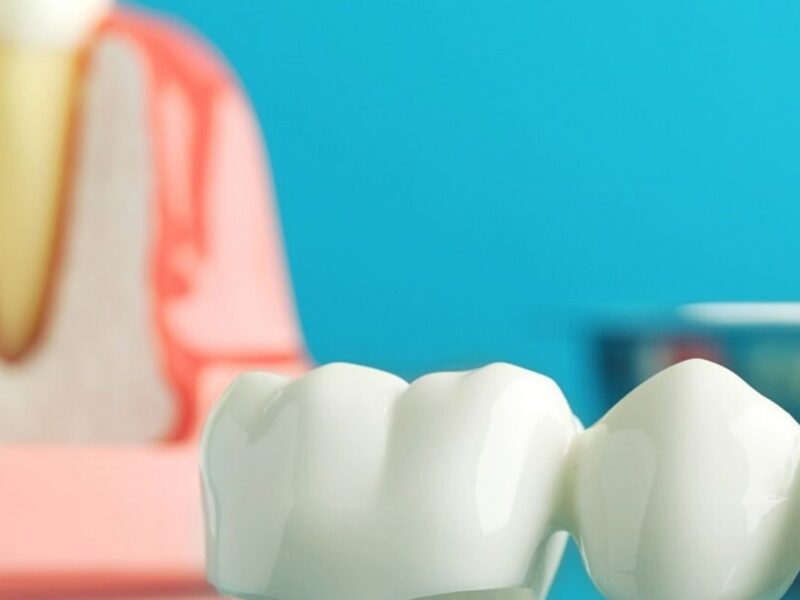
A dental crown is a custom-made cap that covers a tooth above the gumline. Its job is to restore strength, shape, and function when the natural tooth has been weakened or heavily damaged. In most cases, the dentist reshapes the tooth first so the crown can fit securely over it, then bonds the final crown in place.
That sounds simple, but the reasons for needing a crown vary a lot. A crown might protect a tooth after a root canal, reinforce a large filling that has left thin walls behind, repair a cracked tooth, or improve a misshapen or severely worn tooth. It can also be placed on top of a dental implant.
One of the most common misunderstandings is that a crown replaces the tooth itself. It does Dental Crowns Southgate CA not. The underlying tooth structure still matters. In fact, the long-term success of a crown often depends on how much healthy tooth remains, how well the margins fit, and whether the bite forces are managed properly.
A crown is not just cosmetic, even though it can dramatically improve appearance. It is part engineering, part biology, part aesthetics. That is why good planning matters so much.
Myth: If a tooth needs a crown, it must be in terrible shape
This is one of the most persistent myths, and it scares people unnecessarily.
A tooth may need a crown even when it looks fairly normal from the outside. For example, a molar with a very large old filling may still be holding together, but only barely. Chewing forces can flex the remaining tooth structure over time. Tiny fractures may start around the filling, often without obvious symptoms. In that situation, a crown is sometimes recommended not because the tooth is already destroyed, but because it is vulnerable.
I have seen patients delay treatment because they assumed “if it doesn’t hurt, it must be fine.” Then a piece of the tooth breaks off while eating something as ordinary as toast, nuts, or a crusty sandwich. At that point, the treatment may become more complex. A simple crown might turn into a root canal and crown, or in some cases, an extraction.
The fact is this: crowns are often preventive as much as restorative. They are used to protect a tooth before a catastrophic break happens, not just after.
Myth: Crowns are obvious and look fake
That used to be more true than many dentists like to admit, especially decades ago when materials were more limited and cosmetic expectations were lower. Today, a well-made crown can look remarkably natural.
Still, not all crowns look the same.
The final result depends on several factors, including material choice, shade matching, the tooth’s location, lighting, the condition of neighboring teeth, and the skill of both the dentist and the dental lab. A front tooth crown requires far more aesthetic nuance than a crown on a back molar. Front teeth reflect light in complex ways. Natural enamel is slightly translucent, not flat white. If someone asks for a “bright white crown” but their surrounding teeth have warmth and variation, the crown can stand out for the wrong reasons.
This is where honest expectations matter. A beautiful crown blends with the smile. It does not usually look like a polished tile. The best crown work is often the kind nobody notices.
Patients in South Gate who are exploring Dental Crowns Southgate CA options should ask how the office handles shade matching and whether the crown material is selected based on both function and Dental Crowns Southgate CA appearance. Those details make a visible difference.
Myth: The procedure is very painful
This fear keeps a lot of people from getting treatment they genuinely need.
In routine cases, crown preparation is not typically a painful procedure. The tooth and surrounding area are numbed with local anesthetic. Most patients feel pressure, vibration, and water spray, but not pain during the preparation itself. Some soreness or temperature sensitivity afterward is possible, especially if the tooth was already irritated, but that is not the same as severe pain.
There are exceptions. Teeth with deep decay, cracks close to the nerve, inflamed pulps, or gum irritation can be more sensitive before and after treatment. People who clench or grind may also feel sore around the jaw or tooth after keeping their mouth open for a while. If a temporary crown comes loose or the bite is too high, discomfort can follow until it is adjusted.
The better way to frame it is this: crown treatment should be manageable, but it is not always sensation-free in the days around it. Good communication helps. Patients should know what is normal, what deserves a follow-up call, and what warning signs suggest the nerve inside the tooth may be struggling.
Myth: Once a crown is placed, that tooth is permanently fixed
This myth creates false confidence.
A crown protects a tooth, but it does not make it invincible. The underlying tooth can still develop decay at the crown margin if plaque builds up and oral hygiene slips. Cement can fail. Porcelain can chip. A crowned tooth can crack below the crown, particularly if it absorbs heavy biting forces for years. Gum recession can expose edges that were once hidden. In some cases, the nerve inside the tooth becomes inflamed later and needs root canal treatment even after the crown is already in place.
A crown is best understood as a long-term restoration, not a one-time guarantee.
Many crowns last ten to fifteen years or more, and some last much longer. I have seen crowns in service for twenty years that were still functioning reasonably well. I have also seen crowns fail much sooner because of grinding, poor fit, gum disease, untreated decay, or inconsistent home care. Longevity is not just about the crown itself. It is about the entire environment around it.
What dentists are really evaluating before recommending a crown
When patients hear “you need a crown,” they often picture it as a simple yes or no decision. In reality, several clinical judgments sit behind that recommendation.
A dentist is evaluating how much natural tooth remains, whether there are cracks, how deep a cavity extends, whether the bite places unusual force on that tooth, whether the gum tissue is healthy enough to support the restoration, and whether a filling or onlay could do the job instead. They are also considering how predictable the outcome will be over time.
A molar with a tiny chip is different from a premolar with a large failing filling and a history of pain when chewing. A front tooth with cosmetic wear is different from a back tooth that has lost half its structure. The same crown recommendation can mean very different things from one case to another.
That is why good consultations feel specific. They explain not only what is being proposed, but why a less aggressive option may or may not be wise.
Crowns are not always the only answer
Sometimes a crown is clearly the best option. Other times, there is a legitimate gray area.
A tooth may be restorable with a bonded filling, an inlay, or an onlay instead of a full crown, especially if enough healthy tooth structure remains. Conservative dentistry matters. Preserving natural tooth structure matters. At the same time, being too conservative on a heavily compromised tooth can backfire and lead to repeated repairs, fractures, and higher costs later.
This is where experience and judgment come in. A smaller restoration can be excellent when the tooth supports it. It can also be false economy when the tooth is underbuilt for the forces it has to handle every day.
Patients should not be afraid to ask, “Why a crown instead of another type of restoration?” A sound answer should be based on structure, prognosis, and function, not just habit.
The materials matter more than most people realize
People often talk about crowns as if they are all the same. They are not.
Porcelain-fused-to-metal crowns have been used for many years and can still be appropriate in some cases. All-ceramic and zirconia crowns are now common because they can offer strong performance and a more natural appearance. Yet material selection is never just about what sounds modern. It is about balancing bite strength, tooth position, esthetics, opposing teeth, available space, and cost.
For example, a patient with heavy grinding may do better with a material known for strength, especially on back teeth. A front tooth may call for more nuanced translucency and shade layering. Someone with a short clinical crown or limited clearance may need a different approach than someone with ideal tooth anatomy.
Here is a practical way to think about it:
| Material type | Common strengths | Common considerations | | --- | --- | --- | | Porcelain-fused-to-metal | Proven track record, durable in many cases | May show a dark edge over time, less natural translucency | | All-ceramic | Excellent esthetics, strong option for many visible teeth | Material choice must match bite demands | | Zirconia | High strength, useful for posterior teeth and grinders | Can be less lifelike cosmetically in some situations |
There is no single best crown material for every person. There is only the best fit for a specific tooth in a specific mouth.
Myth: Getting a crown always takes many long appointments
That depends on the office, the technology being used, and the complexity of the case.
Traditional crowns often involve one appointment to prepare the tooth and place a temporary, then a second appointment to cement the final crown after the dental lab completes it. In some practices, same-day crowns are available using digital scanning and in-office milling technology. For straightforward cases, that can reduce the number of visits.
But faster is not always better by default. Same-day dentistry can be convenient, yet some complex esthetic cases still benefit from a high-quality lab and more detailed customization. If gum tissue needs time to settle or bite adjustments require careful monitoring, the timeline may stretch a bit.
Patients looking into Dental Crowns Southgate CA should focus less on whether the process sounds quick and more on whether the treatment plan fits the tooth. Convenience matters, but fit and function matter more.
Temporary crowns are not optional window dressing
Temporary crowns have a bad reputation because they can feel bulky, look less polished, or occasionally come loose. Still, they serve an important purpose.
They protect the prepared tooth, reduce sensitivity, help maintain spacing, and give the patient a chance to flag concerns about shape or bite before the final crown is cemented. If a temporary feels high when you bite down, that detail matters. If the contour catches floss oddly or irritates the gum, that feedback matters too.
The temporary phase is not just a waiting period. It can provide useful information. Patients who ignore a loose temporary or wait too long after it comes off may increase the chance of tooth movement, sensitivity, or fit problems with the final restoration.
Crowns can fail quietly before they fail dramatically
Some failures are obvious, like a crown popping off or a visible fracture. Others are subtle.
Early trouble signs can include food packing around the crown, bleeding at the gumline, new sensitivity to cold, a change in how the bite feels, a faint odor around the tooth, or floss shredding repeatedly at one edge. None of these automatically means the crown is failing, but each deserves attention.
I have seen crowns that looked acceptable in the mirror but had recurrent decay hidden underneath the margins. I have also seen crowns replaced prematurely because the bite was off and the patient developed soreness that could have been corrected with a small adjustment. Timing matters. Problems caught early are usually simpler and less costly to manage.
What patients should ask before saying yes
A short, direct conversation can reveal a lot about whether a crown recommendation is solid and whether the office communicates well.
- Why is a crown the best option for this tooth rather than a filling or onlay?
- What material do you recommend for this location, and why?
- Is there any sign I might need root canal treatment now or later?
- How long should this crown reasonably last in my case?
- What should I expect with the temporary, the bite, and follow-up care?
Those five questions often lead to a much better consultation than asking only about price.
Cost, insurance, and why cheap dentistry can get expensive
Crowns are an investment, and cost is a legitimate concern. Prices vary based on location, materials, lab work, technology, and complexity. Insurance may cover part of the fee, though annual maximums and waiting periods can limit what patients actually receive. That can be frustrating, especially when the tooth is clearly compromised but the benefit does not fully reflect the clinical need.
It is tempting to shop by price alone. The problem is that a crown is not a commodity. A low fee may still come with excellent care in some practices, but if corners are cut on diagnosis, isolation, material quality, fit, bite adjustment, or lab work, the savings can disappear fast. A poorly fitting crown that traps plaque, causes pain when chewing, or fails within a couple of years is not a bargain.
The smarter question is not “Who does the cheapest crown?” It is “Who does crown work that is likely to hold up?”
Aftercare is less dramatic than people expect, but more important than they think
Most crown aftercare is straightforward. Brush carefully at the gumline. Floss daily. Avoid treating the crowned tooth like it now has superpowers. If you grind at night, wear the night guard you were given. If the dentist recommends replacing old crowns or monitoring a cracked tooth nearby, do not assume everything is fine just because the new crown feels okay.
A few habits make an outsized difference:
- Keep regular cleanings and exams so margins, gums, and bite can be monitored.
- Do not ignore a crown that feels high, loose, or suddenly sensitive.
- Be cautious with ice chewing, hard candy, popcorn kernels, and other fracture risks.
- Use a night guard if you clench or grind.
- Clean around the crown as carefully as you would a natural tooth, maybe more so.
Crowns usually do best in mouths where maintenance is boring, consistent, and unglamorous.
The local piece matters more than many patients expect
Choosing where to get treatment is not just about proximity, but local access still matters. If you need a bite adjustment, temporary recementation, or a quick evaluation after a crown feels “off,” being able to return easily matters. This is one reason many patients searching for Dental Crowns Southgate CA prefer a nearby office rather than driving far for an initial discount.
A crown is not always a one-visit relationship. Follow-through counts. If the office is responsive, explains things clearly, and stands behind the work, the experience tends to go better, especially when small adjustments are needed.
The truth behind the myths
Crowns are neither a last resort nor a casual fix. They are one of dentistry’s most useful tools when prescribed carefully and executed well. The myths that surround them usually come from partial truths. Yes, older crowns sometimes looked artificial. Yes, some crowned teeth later needed root canals. Yes, some patients have had bad experiences with discomfort, fit, or cost. Those stories exist.
But the opposite is also true. Well-planned crowns save teeth every day. They let people chew comfortably, stop cracks from worsening, restore teeth that would otherwise keep breaking, and improve smiles in ways that feel natural rather than obvious.
The key is not to romanticize the treatment or fear it blindly. It is to understand what the crown is meant to do, what it can and cannot promise, and how your own habits, bite, and oral health affect the outcome.
For patients evaluating Dental Crowns Southgate CA, the best next step is not guessing based on stories online or advice from someone whose dental history is nothing like your own. It is getting a clear diagnosis, asking pointed questions, and making sure the recommendation matches the condition of the tooth.
That is where myths lose their grip, and real decision-making begins.
Simple Dental South Gate
Address: 8617 California Ave, South Gate, CA 90280
Phone number: +13236896118
FAQ About Dental Crowns Southgate CA
How much do crowns cost per tooth?
In the United States, a single dental crown typically costs between $800 and $2,500 per tooth without insurance. The ultimate out-of-pocket price depends heavily on the crown material, the location of the tooth, and whether you have dental insurance coverage.
What is the downside of crowns on teeth?
The primary downside of a dental crown is that the procedure permanently removes natural tooth enamel to shape the tooth for the cap.
Why do dentists push for crowns?
Dentists recommend crowns because a large filling cannot provide enough strength when a tooth loses a major portion of its structure or faces heavy chewing pressure.