Dental Crowns Southgate CA: Signs You May Need One
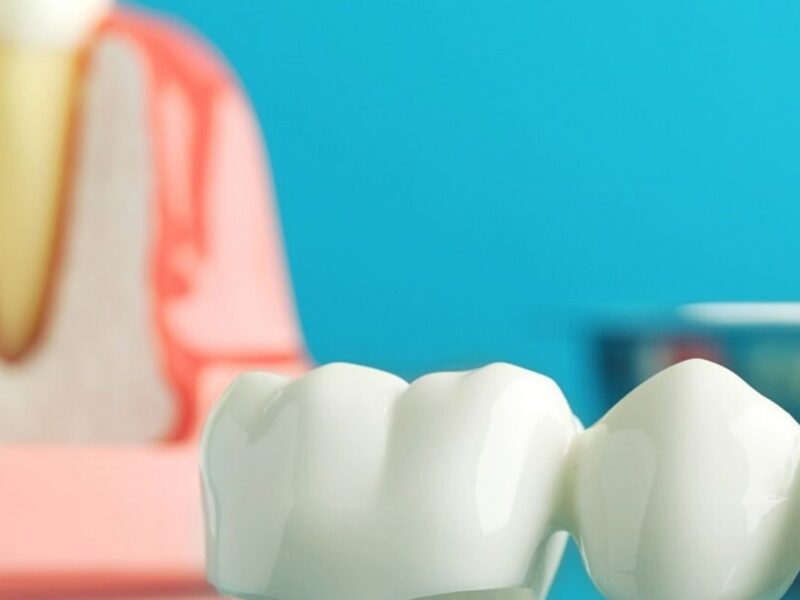

A dental crown is one of those treatments people often hear about long before they actually need one. It sounds straightforward, almost routine, until a tooth starts cracking on a weekend, a filling falls out during dinner, or a dentist points to an X-ray and says the remaining tooth structure is not strong enough to hold up on its own. That is usually the moment the value of a crown becomes very real.
In everyday practice, crowns are less about cosmetics alone and more about preservation. They help save teeth that are damaged, heavily restored, worn down, or structurally compromised. A crown covers the visible part of the tooth and restores its shape, strength, and function. For many patients, it is what stands between keeping a tooth and losing it.
If you have been searching for answers about Dental Crowns Southgate CA, it usually means one of two things. Either a dentist has already mentioned the possibility, or you are noticing symptoms that do not feel minor anymore. The tricky part is that a tooth does not need to be dramatically broken for a crown to be the right solution. Sometimes the signs are subtle at first, then become harder to ignore.
What a crown actually does
A crown is a custom-made cap placed over a prepared tooth. Once cemented, it acts like a protective outer shell. It allows you to bite and chew more normally while reducing the risk of further fracture. Depending on the case, crowns can be made from porcelain, ceramic, zirconia, metal, or a combination of materials. The best choice depends on where the tooth is located, how much force it handles, how visible it is when you smile, and how much natural tooth remains.
A useful way to think about it is this: a filling repairs a portion of the tooth, while a crown protects the whole visible structure. If the damage is small, a filling may be enough. If the tooth is too weak, too broken down, or too heavily filled, placing another filling can become a short-term fix for a long-term structural problem.
That distinction matters. I have seen patients put off a recommended crown because the tooth “didn’t hurt that much.” A few months later, the same tooth split in a way that left far fewer treatment options. A crown often buys time, strength, and predictability. Waiting can sometimes cost all three.
The clearest signs you may need a dental crown
Some situations point strongly toward a crown, while others call for a careful exam, X-rays, and a discussion about alternatives. These are the most common signs dentists look for:
- A tooth has a large filling and not much healthy structure left
- You have a cracked, chipped, or broken tooth
- You recently had a root canal on a back tooth
- A tooth hurts when you bite or release pressure
- Your tooth is severely worn down from grinding or acid erosion
Each of those signs has nuance, and that is where good judgment matters.
Large fillings that leave a tooth vulnerable
One of the most common reasons for a crown is not a new problem, but an old repair that has reached its limit. Fillings do not strengthen teeth in the same way intact enamel does. The larger the filling, the less natural tooth remains to support chewing forces. Over time, the tooth walls can flex, crack, or shear off.
Molars take the worst of it because they absorb heavy bite pressure day after day. A patient might come in saying a filling feels “fine,” but the X-ray and exam show a broad restoration with thin outer walls. That kind of tooth may not hurt at all until it suddenly does. A crown is often recommended before the tooth breaks, not after.
This is especially true if a filling has already been replaced more than once. Every replacement usually requires removing a bit more tooth structure. There comes a point when another filling stops being conservative and starts being risky.
Cracks, chips, and fractures
Not every chipped tooth needs a crown. A small chip on the edge of a front tooth may be repaired beautifully with bonding. A deeper crack in a back tooth is another matter entirely.
Cracks can behave unpredictably. Some are superficial and stay stable. Others travel deeper under chewing pressure. A tooth may feel fine most of the time, then send a sharp zing when biting on something firm, like crusty bread or a nut. Sometimes the pain comes when you release the bite, which can be a classic clue that a cracked cusp is flexing.
A crown can brace the tooth and reduce that movement. If the crack is confined to the tooth above the gumline, a crown may save it. If the crack extends into the root, the prognosis changes, sometimes dramatically. That is one reason early evaluation matters. A small crack and a large split can begin with similar symptoms.
After a root canal, especially on back teeth
A root canal removes infected or inflamed tissue from inside a tooth, but it does not make the tooth stronger. In fact, a tooth that needed a root canal is often already weakened by decay, prior fillings, or fracture. Back teeth that have undergone root canal treatment usually need crowns because they take strong chewing forces and are more likely to break without full coverage.
Front teeth are more case-specific. If a front tooth still has enough healthy structure and is not under major biting stress, a crown may not always be necessary right away. But on premolars and molars, the recommendation is common for good reason. A back tooth can function for a while after a root canal without a crown, then crack unexpectedly. When that happens, the investment in the root canal can be lost.
Pain when chewing or sensitivity that lingers
Pain does not always mean you need a crown, and the absence of pain does not mean you do not. Still, biting discomfort is a sign worth taking seriously. If a tooth hurts only when chewing, especially if the pain is sharp and hard to reproduce on command, a crack or unstable cusp may be the cause.
Temperature sensitivity can also matter. If a tooth with a large filling becomes increasingly reactive to cold, or the sensitivity starts lingering after the stimulus is gone, that may suggest deeper structural or pulpal issues. Sometimes the solution is a new filling. Sometimes the tooth needs a crown. Sometimes it needs root canal treatment before the crown. There is no shortcut around a proper diagnosis.
The key point is that bite pain should not be dismissed as “probably nothing.” Teeth rarely start hurting during pressure for no reason at all.
Teeth worn down by grinding
Bruxism, or chronic grinding and clenching, slowly changes teeth in ways patients may not notice until the damage becomes significant. Teeth can flatten, shorten, chip, and become more sensitive. In moderate cases, night guards and conservative restorations may help. In advanced cases, some teeth need crowns to restore lost height and protect what remains.
Wear cases require careful planning. If the bite has collapsed over time, it is not just about crowning one tooth and hoping for the best. The dentist must consider the whole chewing system, muscle habits, bite forces, and whether a protective appliance will be needed after treatment. That is why experience matters in these cases. A crown can solve one problem while exposing another if the bite is not evaluated thoughtfully.
Signs patients notice before they hear the word “crown”
Patients do not walk into an office saying, “I believe I need full coverage restoration.” They say the tooth feels off. Food keeps getting stuck. Something catches their tongue. They avoid chewing on one side. The cold sensitivity that used to last two seconds now hangs on for twenty. A piece of tooth broke, but because the pain is mild, they wonder if it can wait.
Those details matter. Teeth often send early warnings through function rather than constant pain. A back molar with a broken cusp may let you drink coffee comfortably but protest every time you chew chicken or toast. A front tooth with an old bonding repair may start staining or chipping repeatedly because the remaining enamel support is too weak. A heavily restored tooth may feel “squishy” or unstable long before a visible fracture appears.
One common pattern is the patient who says, “It only hurts when I eat on that side, so I just stopped chewing there.” That adaptation can go on for months. Meanwhile, the tooth is still vulnerable, and the other side of the mouth may start taking extra load. People are often surprised by how much they have unconsciously changed their habits to protect one problem tooth.
When a crown might not be necessary
Good dentistry is not about crowning every compromised tooth. Some teeth can be restored with onlays, inlays, bonding, or a well-designed filling. If the tooth damage is limited and enough strong enamel remains, a more conservative treatment may preserve more natural structure.
This is where a balanced discussion matters. Crowns are valuable, but they do require reshaping the tooth. A dentist should be able to explain why a crown is being recommended instead of a smaller restoration, what risks come with waiting, and what alternatives exist.
There are also cases where a crown is not enough because the tooth is too damaged. If decay extends too far below the gumline, the fracture reaches into the root, or there is not enough sound tooth to support the restoration, extraction may have to enter the conversation. That is not what anyone wants to hear, but it is better to hear the truth early than spend money on a tooth with a poor prognosis.
What the appointment process usually looks like
For patients considering Dental Crowns Southgate CA, the process is usually more manageable than they expect. Technology and materials have improved a great deal over the years, though the steps still depend on the specific office and clinical situation.
Most crown treatment follows a pattern like this:
- The tooth is examined, X-rayed, and tested to confirm the diagnosis
- The dentist reshapes the tooth so the crown can fit securely
- An impression or digital scan is taken to design the final crown
- A temporary crown is placed if the final one is made by an outside lab
- The permanent crown is tried in, adjusted, and cemented at a later visit
Some offices can complete certain crowns in a single day using in-house milling, but not every case is suited for that approach. A highly esthetic front tooth, a complex bite, or a case requiring layered characterization may still benefit from a skilled dental laboratory.
Temporary crowns deserve a quick mention because they often catch people off guard. They are not as strong as the final crown and can feel slightly different. That does not mean something is wrong. It just means the temporary is doing a short-term job while the permanent crown is being made.
How dentists decide between a filling, an onlay, and a crown
This decision is part science, part judgment. The size and location of the defect matter. So does the thickness of the remaining tooth walls, the patient’s bite force, whether the tooth has had root canal treatment, and whether there are visible crack lines.
A small cavity in a stable tooth usually gets a filling. A tooth that has one or more weakened cusps but still retains substantial healthy structure might be a candidate for an onlay, which covers part of the tooth but not all of simpledentalca.com Dental Crowns Southgate CA it. A tooth that is extensively broken down, cracked, root canal treated, or heavily loaded often does best with a crown.
Age can matter too, though not always in the way people assume. A younger patient may have a stronger tooth overall, but if they grind aggressively or have deep cracks, youth does not eliminate the need for protection. An older patient may have a slower progression of problems in some cases, but decades of fillings and wear can make structural support more precarious.
The cost question patients usually ask second, not first
Most people worry about cost, even if they are initially too embarrassed to bring it up. That is reasonable. Crowns are a significant investment compared with a simple filling. Fees vary depending on the material, the location, whether additional procedures are needed, and local practice factors. Insurance may help, but coverage is often partial and subject to annual maximums.
The practical question is not just “How much does the crown cost?” It is also “What happens if I delay it?” Sometimes waiting changes very little. Other times the tooth fractures more deeply, needs a root canal, or becomes unrestorable. Then the treatment path becomes longer and more expensive.
I have seen patients postpone a crown for a molar because the tooth was not hurting. Later, the cusp snapped off while chewing ice or popcorn, and what could have been a planned restoration became an urgent appointment. The crown was still needed, but now there was less tooth left to work with and a much narrower margin for success.
What life with a crown feels like
When a crown fits well, it should not feel bulky or foreign for long. Most patients adapt quickly. The bite should feel even, floss should pass with moderate resistance, and chewing should become more comfortable, not less. Some mild temperature sensitivity after placement can happen, especially if the tooth nerve is still alive, but that usually settles.
A crown is not indestructible. It can chip, loosen, or wear over time. The tooth under it can still decay if home care is poor, especially around the margin where the crown meets natural tooth. Gum health also matters. A beautifully made crown cannot compensate for persistent inflammation and plaque buildup.
Patients sometimes assume a crowned tooth no longer requires the same care. The opposite is closer to the truth. A restored tooth deserves consistent brushing, flossing, regular checkups, and attention to habits like grinding or chewing ice. Crowns last best in stable mouths.
Choosing the right moment to act
One of the hardest parts of dentistry is timing. Treat too early and patients may feel pushed into work that could have waited. Treat too late and the window for simpler care closes. Crowns live right in that tension.
The best time for a crown is usually when the tooth is compromised enough to need protection but still healthy enough to restore predictably. That means not waiting for severe pain, swelling, or a major break. It also means not assuming every old filling must be crowned on principle alone. The decision should rest on what the tooth looks like clinically, how it functions under load, and how likely it is to fail if left as is.
If a dentist recommends a crown, ask direct questions. How much healthy tooth is left? Is there a crack? What is the risk if I delay this six months? Is there a more conservative option? Clear answers should be available.
For patients looking into Dental Crowns Southgate CA
If you are searching specifically for Dental Crowns Southgate CA, focus less on marketing language and more on how the office evaluates and explains treatment. Good crown work depends on diagnosis as much as craftsmanship. You want a dentist who looks carefully at the bite, the surrounding teeth, the gum condition, and the reason the tooth failed in the first place.
A well-made crown placed for the right reason can protect a tooth for many years. A crown placed on a poorly diagnosed problem may still leave you with pain, fracture risk, or repeated adjustments. Precision matters, but so does judgment.
If you have a tooth with a large filling, a crack, a recent root canal, unexplained bite pain, or visible breakdown, it is worth getting it checked before the tooth forces the issue. Crowns are often at their best when they are preventive in the practical sense, not cosmetic, not excessive, just timely. They preserve function, reduce risk, and give a vulnerable tooth a better chance to keep doing its job.
Simple Dental South Gate
Address: 8617 California Ave, South Gate, CA 90280
Phone number: +13236896118
FAQ About Dental Crowns Southgate CA
How much do crowns cost per tooth?
In the United States, a single dental crown typically costs between $800 and $2,500 per tooth without insurance. The ultimate out-of-pocket price depends heavily on the crown material, the location of the tooth, and whether you have dental insurance coverage.
What is the downside of crowns on teeth?
The primary downside of a dental crown is that the procedure permanently removes natural tooth enamel to shape the tooth for the cap.
Why do dentists push for crowns?
Dentists recommend crowns because a large filling cannot provide enough strength when a tooth loses a major portion of its structure or faces heavy chewing pressure.