The Lifespan of Dental Crowns Southgate CA and How to Extend It
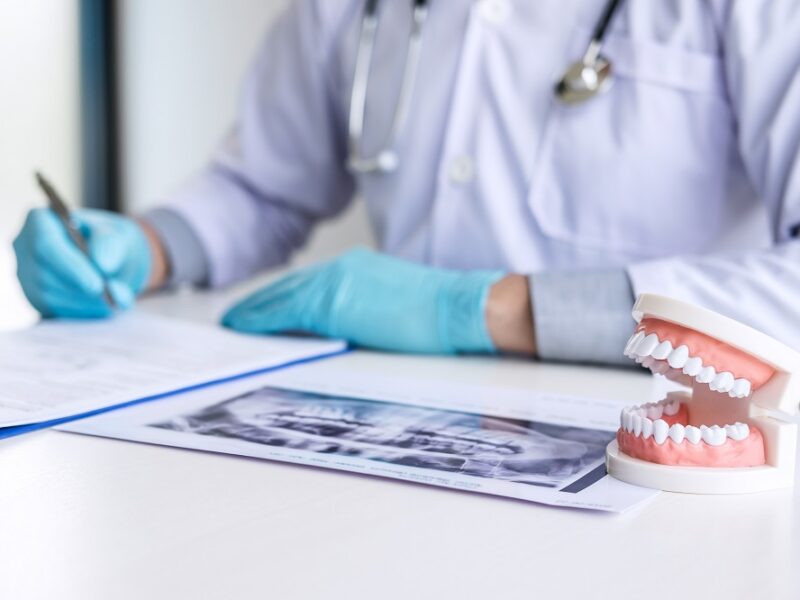
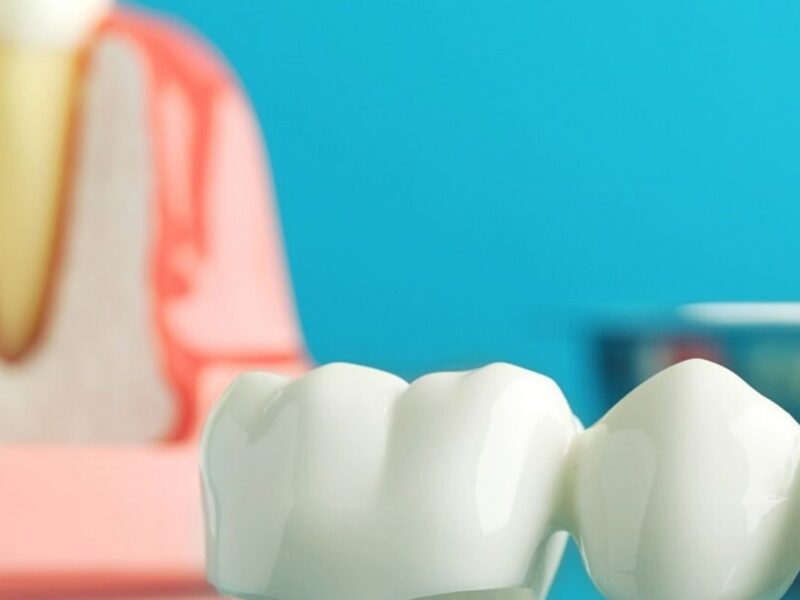

A dental crown is one of those restorations people rarely think about until they need one. Then it becomes central to daily life. You chew with it, smile with it, and trust it to do a job that natural enamel once handled without effort. When a crown is placed well and cared for consistently, it can serve for many years. When it is neglected, overloaded, or placed on a tooth with other problems brewing underneath, it can fail much sooner than expected.
Patients often ask a simple question that deserves a nuanced answer: how long does a crown last? The honest response is that there is no single expiration date. In practice, I have seen crowns look excellent after well over a decade, while others needed replacement much earlier because of decay at the margin, tooth fracture, gum changes, or habits like clenching and grinding. Materials matter. Bite forces matter. Oral hygiene matters even more than many people realize.
For anyone researching Dental Crowns Southgate CA, it helps to approach the issue with realistic expectations. A crown is strong, but it is not indestructible. It protects a damaged tooth, yet it still depends on the health of the tooth underneath and the surrounding gums. Good dentistry gives it a strong start. Good habits give it a long life.
What a crown is really doing
A crown is a full-coverage restoration designed to cap a tooth that has lost too much structure to function safely with a filling alone. That tooth may have cracked, fractured, worn down, been heavily filled over the years, or undergone root canal treatment. In some cases, a crown is placed to improve shape, bite, or appearance. On dental implants, crowns replace missing teeth altogether.
The reason crowns matter so much is mechanical. Every day, your teeth absorb repetitive force. Back teeth can take on surprisingly heavy loads, especially if you chew hard foods, clench during stress, or grind at night. Once a natural tooth has been weakened, that force can become too much. A crown redistributes load and encloses the remaining tooth structure so it can keep working.
That is why lifespan cannot be judged by the crown material alone. Even a beautifully made ceramic crown cannot rescue a tooth that is repeatedly flexing under a bad bite or sitting in an environment of poor oral hygiene and chronic inflammation. In other words, the crown is only one part of the system.
How long crowns typically last
Most crowns are expected to last many years, often somewhere in the range of 10 to 15 years, and sometimes much longer. That range is useful, but it is not a guarantee. Some exceed it comfortably. Some do not reach it.
The variation comes from several factors. A crown on a front tooth usually faces different stresses than one on a molar. A patient with excellent home care and regular maintenance cleanings tends to get more life out of restorations than someone who skips visits and brushes inconsistently. Someone who opens packages with their teeth or chews ice puts a very different kind of wear on a crown than someone who does not. Small daily habits add up.
Another point that surprises patients is this: crowns often fail at the edges, not the middle. The visible top may still look fine, while decay starts where the crown meets the tooth near the gumline. From the outside, everything can seem solid. On an X-ray or close exam, there may already be trouble.
The material makes a difference, but not in the way many people think
There is no universally perfect crown material. Each option has strengths and trade-offs, and the best choice depends on where the tooth is located, how the patient bites, what the cosmetic goals are, and how much healthy tooth remains.
Porcelain-fused-to-metal crowns have been used for many years and can perform very well. They offer durability, though in some cases the metal margin or dark shadow near the gumline becomes noticeable over time. All-ceramic crowns can look extremely natural, which makes them popular for visible teeth. Zirconia is valued for strength and has become common for back teeth and many full-coverage restorations. Gold and other metal crowns, though less commonly requested for cosmetic reasons, still have a reputation for longevity because they wear predictably and are kind to opposing teeth when designed properly.
Patients sometimes assume that the strongest material automatically means the longest-lasting result. In reality, the fit of the crown, the preparation of the tooth, the condition of the gums, and the bite adjustment can matter just as much as the material choice. A perfectly selected crown placed on a tooth with poor hygiene or heavy untreated bruxism is still at risk.
Why some crowns last twenty years and others do not
The difference often comes down to a cluster of everyday factors rather than one dramatic event. A crown can be technically successful on Dental Crowns Southgate CA the day it is cemented and still have a shortened lifespan because of what happens in the months and years that follow.
Decay is a common reason for replacement. The crown itself does not decay, but the tooth structure at the edge can. If plaque sits along the gumline and flossing is inconsistent, bacteria can exploit tiny vulnerable areas where the restoration meets natural tooth. This is especially common in patients who think a crowned tooth no longer needs the same level of care. It absolutely does.
Grinding is another major issue. Many patients grind without Dental Crowns Southgate CA realizing it. They wake with jaw tightness, headaches, or flattened teeth, yet they do not connect those symptoms to the pressure being placed on restorations. Crowns on patients with untreated bruxism may chip, loosen, or contribute to cracks in the underlying tooth. A night guard can make a meaningful difference here.
Then there is the bite itself. A crown that hits too hard or too early can become a problem even if it looks perfect in the mirror. High spots create concentrated force. Over time, that can strain the cement seal, irritate the ligament around the tooth, or produce soreness and fracture patterns that only become obvious later.
The role of the tooth underneath
A crown is often described as a protective cap, which is accurate, but it can create a false sense of security. The health of the tooth underneath still matters enormously. If very little tooth structure remains, or if there is a deep crack extending below the gumline, the long-term outlook changes. If the root is compromised or the bone support is limited, the crown can only do so much.
I have seen patients become frustrated when a crown needs replacement and say, "But the crown was supposed to fix it." A crown restores and protects. It does not reverse deep structural compromise. Sometimes the issue is not the crown at all, but the fact that the tooth has continued to deteriorate in ways no restoration could fully stop.
This is one reason dentists sometimes recommend a crown promptly after a root canal on a back tooth. Root canal treated molars can function for years, but they are often more brittle because they have already lost substantial internal support from decay, old fillings, and access preparation. Delaying the crown may save money in the short term but increase the risk of fracture in the long term.
Local habits and everyday realities in Southgate
For patients looking into Dental Crowns Southgate CA, the local conversation often centers on balancing durability, appearance, and cost. That is understandable. Crowns are an investment, and people want to know how to protect that investment.
What often gets missed is how much local routine shapes results. Busy schedules lead people to postpone cleanings. Shift workers may clench from stress and have irregular sleep. Some patients rely on sports drinks or snack frequently during long commutes, exposing their teeth to repeated acid and sugar. Others use their teeth as tools without thinking twice. These are ordinary behaviors, but they affect the margins of restorations day after day.
A good dental team will usually talk through these practical realities, not just the material options. That kind of conversation tends to predict better outcomes because it turns crown care into something specific and manageable rather than abstract advice.
The most common warning signs that a crown needs attention
Crowns do not always fail dramatically. Many problems start subtly. Sensitivity near the gumline, food getting trapped around the tooth, bleeding when flossing one specific area, or a strange feeling when biting can all signal a problem. A crown that feels high after placement should be evaluated, not tolerated. Small bite issues are easier to correct early than after months of excess pressure.
If a crown becomes loose, it should be seen promptly. Sometimes the crown can be recemented if the underlying tooth is still healthy and the fit remains appropriate. Sometimes looseness reveals decay or loss of tooth structure that changes the treatment plan entirely.
Chipping can also vary in seriousness. A tiny glaze chip on a ceramic surface may be mostly cosmetic. A fracture that affects the integrity of the crown or exposes the underlying tooth is a different matter. The key is not to self-diagnose by appearance alone.
How to extend the life of a crown
Most of the habits that extend crown lifespan are not complicated. They are just easy to underestimate because the crown often feels solid and problem-free.
Here are the practices that consistently make the biggest difference:
- Brush thoroughly twice a day, especially at the gumline where the crown meets the natural tooth.
- Floss daily and curve the floss around the tooth instead of snapping straight down and out.
- Wear a custom night guard if you clench or grind, even mildly.
- Keep regular dental exams and cleanings so small margin problems are caught early.
- Avoid chewing ice, biting pens, and using your teeth to tear packaging.
That list looks simple because it is simple. The challenge is consistency. The patient who protects their crown longest is rarely the one doing anything dramatic. It is usually the person who follows uneventful routines for years.
The cleaning issue patients often overlook
Brushing the visible chewing surface of a crown is not the hard part. The vulnerable area is where the crown margin meets the natural tooth and gum tissue. If plaque remains there, the gum can inflame and recede, exposing more of the root and increasing the chance of recurrent decay. This matters even more for patients with dry mouth, which can result from common medications, certain medical conditions, or mouth breathing at night.
Dry mouth changes the whole equation. Saliva acts as a buffer and helps protect against decay. Without enough of it, the edges of crowns and fillings become more susceptible. Patients with dry mouth often benefit from more frequent hydration, fluoride products recommended by their dentist, and tighter recall intervals.
Why bite guards earn their keep
A custom night guard is one of the least glamorous but most valuable tools for protecting crowns. Patients sometimes resist the idea because they do not think they grind enough to justify it. Then you look at the wear facets on their natural teeth, hear about morning jaw fatigue, or notice repeated chipping on restorations. The pattern becomes obvious.
The guard does not eliminate clenching behavior, but it can distribute forces more favorably and reduce direct wear on the teeth and restorations. Over the years, that can prevent a surprising number of repairs and replacements. Compared with the cost of remaking crowns or treating a cracked tooth, a well-made guard is usually a sensible investment.
Food choices matter more than people expect
No one needs to live on soft food to protect a crown. Chewing normal meals is exactly what crowns are designed for. Problems arise from concentrated stress and repeated bad habits. Ice is notorious. So are unpopped popcorn kernels, hard candy, and the reflex some people have of testing a package seal with their front teeth.
Sticky foods deserve mention too. They do not usually break crowns outright, but they can tug at restorations that were already compromised or make patients aware of looseness that had gone unnoticed. If a crown feels unstable with chewy foods, that is not a quirk to ignore.
Acid and sugar have their own effect. Frequent sipping of sweet coffee drinks, sodas, juices, or sports beverages can encourage decay at crown margins, especially when consumption is spread across hours. It is the repeated exposure that does the damage, not just the total amount.
When replacement is the better choice
Not every old crown should be replaced preemptively. If a crown fits well, functions comfortably, and shows no sign of decay, fracture, or gum irritation, leaving it alone is often the right call. Dentistry works best when it is conservative and purposeful.
That said, there are times when replacement is clearly wise. A crown with open margins, recurrent decay, persistent food impaction, visible fracture lines, or chronic inflammation around the tooth may be costing the patient more by staying in place. Replacing it earlier can preserve tooth structure that would otherwise be lost.
One judgment call that comes up often involves aesthetics. A patient may have an older crown on a front tooth that is still functional but no longer matches adjacent teeth because the gums have changed or the original material has aged. In those cases, replacement is not about failure alone. It may be about appearance, tissue health, and the patient’s comfort with their smile.
Questions worth asking your dentist before and after crown placement
Patients tend to get the best outcomes when they ask practical questions rather than broad ones. It helps to know what material is being recommended and why. It helps to ask whether a night guard is advisable, whether the tooth has a large existing crack, and what signs should prompt a call to the office after placement.
These are especially useful questions to raise:
- Is this tooth at higher risk because of grinding, root canal treatment, or limited remaining structure?
- What crown material suits this location and my bite best?
- How should I clean around this crown at home?
- Does my bite need monitoring after the crown is placed?
- How often should this tooth be checked with X-rays?
Those questions move the conversation from general reassurance to personalized planning. That is where real longevity comes from.
Temporary crowns, final crowns, and the transition between them
People sometimes underestimate the importance of the temporary crown phase. A temporary crown is not built to last like the final one, but it provides useful information. If the temporary feels awkward, traps food, or causes soreness, that feedback can help refine the final restoration. Patients should mention those issues rather than assume they are normal.
The final crown should feel comfortable fairly quickly. Mild awareness in the first few days is not unusual, especially if the tooth was heavily restored beforehand. Persistent sensitivity to biting pressure, floss shredding between teeth, or a sensation that the tooth hits first when you close are all worth evaluating. Minor adjustments early can prevent larger problems later.
What longevity really comes down to
Crowns last longest when three things line up: precise dentistry, a stable oral environment, and consistent maintenance. If one of those pieces is weak, lifespan shortens. If all three are strong, crowns often serve patients very well for many years.
That is the practical takeaway for anyone considering Dental Crowns Southgate CA. The crown itself matters, of course. So does the material, the lab work, and the skill of the dentist placing it. But what often determines whether that crown lasts eight years or eighteen is the less dramatic part, how clean the margins stay, how well the bite is managed, whether grinding is controlled, and how quickly small issues are addressed.
A crown should not be thought of as a permanent exemption from dental problems. It is better viewed as a durable restoration that performs best with active stewardship. Patients who understand that usually do better. Their crowns last longer, their surrounding teeth stay healthier, and they avoid the cycle of repeated repairs that so often starts with a preventable problem at the edge of an otherwise good restoration.
Simple Dental South Gate
Address: 8617 California Ave, South Gate, CA 90280
Phone number: +13236896118
FAQ About Dental Crowns Southgate CA
How much do crowns cost per tooth?
In the United States, a single dental crown typically costs between $800 and $2,500 per tooth without insurance. The ultimate out-of-pocket price depends heavily on the crown material, the location of the tooth, and whether you have dental insurance coverage.
What is the downside of crowns on teeth?
The primary downside of a dental crown is that the procedure permanently removes natural tooth enamel to shape the tooth for the cap.
Why do dentists push for crowns?
Dentists recommend crowns because a large filling cannot provide enough strength when a tooth loses a major portion of its structure or faces heavy chewing pressure.